Hispi Cabbage Recipes: Elevating the Humble Green with Miso Butter, Brown Butter, & Chili
The unsung hero of the vegetable world,
hispi cabbage – also known as
pointed cabbage – is a culinary chameleon, capable of transforming from a simple side into the star of your plate. Renowned for its delicate, sweet flavour and tender leaves, hispi cabbage is a joy to cook and even more delightful to eat. Forget any preconceived notions of bland, boiled cabbage; these recipes celebrate its natural goodness by introducing rich, nutty brown butter, an umami-packed miso butter, and a fiery chili kick. Whether you're looking for the perfect accompaniment to a Sunday roast, a quick weeknight steak, or even a light main dish, hispi cabbage offers unparalleled versatility and flavour.
Why Hispi Cabbage Reigns Supreme on Your Plate
What makes
hispi cabbage such a standout? Its distinctive conical shape isn't just for aesthetics; it signifies a looser, more tender leaf structure compared to its rounder cousins. This means it cooks quicker, retains a pleasing al dente bite, and readily absorbs the flavours it's paired with. Its inherent sweetness makes it incredibly palatable, even for those who might typically shy away from cabbage. Moreover, hispi cabbage has an exceptional ability to caramelise beautifully when kissed by high heat, developing a depth of flavour that is truly irresistible. This characteristic caramelisation is key to unlocking its full potential, turning a humble vegetable into a gourmet experience. It's no wonder chefs and home cooks alike, from Mary Berry to modern culinary innovators, adore this versatile green.
The Classic Elegance: Hispi Cabbage with Brown Butter (Noisette)
For a dish that exudes classic elegance with minimal effort,
hispi cabbage with brown butter, often referred to as *noisette*, is an absolute winner. This preparation, famously championed by culinary icon Mary Berry, highlights the cabbage's natural sweetness with the rich, nutty notes of perfectly browned butter and a zesty finish of lemon.
Unlocking the Magic of Brown Butter
The term "noisette" is French for "hazelnut," aptly describing the deep, nutty aroma and golden-brown hue that butter takes on when gently cooked. Making brown butter is a simple yet transformative process:
* Melt unsalted butter over medium heat.
* It will foam, then the milk solids will begin to separate and sink to the bottom of the pan.
* Continue to cook, swirling occasionally, until these solids turn a beautiful golden-brown and emit a distinct hazelnut-like fragrance. Be vigilant, as it can go from perfect to burnt very quickly!
Mary Berry's Inspired Method: Pan-Fried Perfection
Building on Mary Berry's timeless approach, here’s how to achieve perfectly caramelised, tender
hispi cabbage:
1.
Preparation is Key: Begin by removing any bruised or loose outer leaves from a large hispi cabbage. Cut the cabbage lengthways into 6 equal wedges, ensuring each wedge includes part of the root to hold the leaves together during cooking.
2.
Blanch and Drain: Bring a large saucepan of salted water to a rolling boil. Add the cabbage wedges and cook for approximately 3 minutes. This quick blanching step tenderises the cabbage slightly and reduces its final cooking time in the pan. Crucially, lift the wedges out with a slotted spoon and drain them exceptionally well. Mary Berry’s tip to *drain thoroughly* is vital; excess water will cause the hot butter to spit violently and prevent proper caramelisation. For convenience, you can blanch the cabbage up to 4 hours ahead of time, then pan-fry just before serving.
3.
The Sizzle: Melt half of your butter in a wide frying pan over high heat. Once it's foaming vigorously, add the well-drained cabbage wedges, cut-side down. Fry for 2-3 minutes per side, turning carefully, until each side is beautifully dark golden and slightly charred. This high-heat searing develops incredible flavour.
4.
Finishing Touch: Once caramelised, transfer the cabbage to a hot serving plate. In the same frying pan, add the finely grated zest and fresh juice of half a lemon, along with the remaining butter. Melt this together, stirring to combine any residual browned bits from the pan. Pour this glossy, aromatic lemon-butter sauce generously over the cabbage wedges. Season with salt and freshly ground black pepper to taste and serve immediately.
This exquisite dish pairs wonderfully with a traditional Sunday roast, grilled chicken, or a perfectly seared steak. For more roast-worthy accompaniments, discover other delicious options in our guide to
Mary Berry's Hispi Cabbage & More: Roast Side Dishes.
A Umami Sensation: Charred Hispi Cabbage with Miso Butter
For those who crave a bolder, more intensely savoury experience,
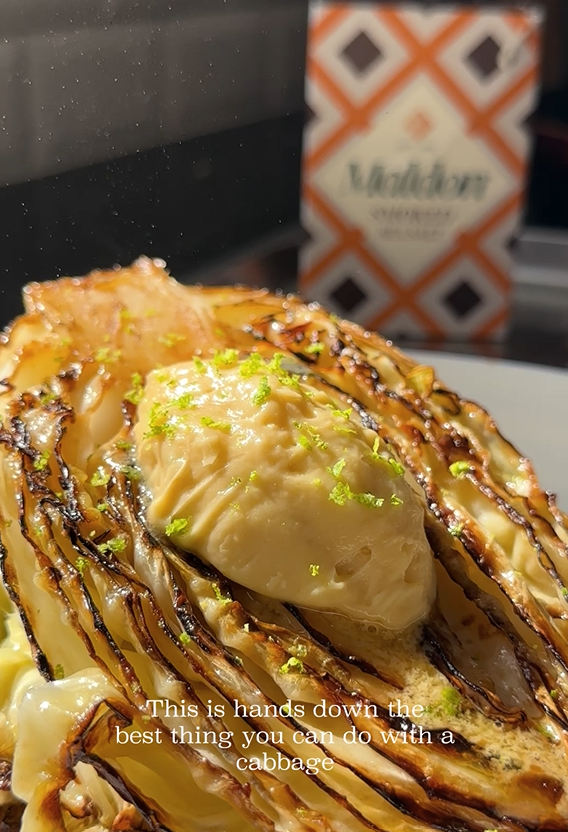
charred hispi cabbage with miso butter delivers an unforgettable punch of umami. This method, popularised by modern culinary trends and often highlighted by premium ingredients like Maldon Smoked Sea Salt, transforms the tender pointed cabbage into a deeply flavourful and satisfying dish.
The Power of Miso Butter
Miso paste, a traditional Japanese seasoning made from fermented soybeans, is an umami powerhouse. When combined with butter, lime, and a hint of smoky salt, it creates a rich, complex condiment that elevates everything it touches. The miso butter offers a delightful balance of salty, savoury, and tangy notes that beautifully complement the cabbage's natural sweetness and charred edges.
Recipe for a Flavour Explosion: Charring and Roasting
Here’s how to create this vibrant dish, marrying charring and roasting techniques:
1.
Intense Charring: Begin by cutting your hispi cabbage into halves lengthways. Heat a large frying pan over high heat and add a tablespoon of olive oil. Once shimmering, place the cabbage halves cut-side down into the hot pan. Fry hard for 4-5 minutes until the cut surfaces are deep golden and wonderfully charred. This initial charring creates a crucial layer of smoky flavour and textural contrast.
2.
Roast for Tenderness: Transfer the charred cabbage halves, cut-side up, to a baking tray. Roast them in a preheated oven at 200°C (400°F) for 25-30 minutes. This step ensures the inner leaves become tender and sweet, while the outer edges develop a pleasant crispness.
3.
Whip Up the Miso Butter: While the cabbage roasts, prepare your flavour-packed miso butter. In a small bowl, combine 80g of softened unsalted butter with 1 tablespoon of miso paste, the juice and zest of half a lime, and a generous pinch of smoked sea salt (Maldon Smoked Sea Salt is excellent here for its distinctive flavour). Mix until all ingredients are well combined and smooth.
4.
Baste and Caramelise: Once the cabbage is roasted, return it to the frying pan over medium heat. Add a generous spoonful of the prepared miso butter to the pan. Use a spoon to baste the melted butter over the cabbage halves for 1-2 minutes, allowing the butter to coat the leaves and caramelise slightly, infusing every bite with its rich flavour.
5.
Serve with Flair: Transfer the finished cabbage to a serving plate. Spoon over any extra miso butter remaining in the pan, add a final squeeze of fresh lime juice, and sprinkle with an additional pinch of smoked sea salt for a dramatic finish.
This smoky, buttery, and irresistibly moreish dish is a testament to the versatility of
hispi cabbage. Whether you prefer it charred, roasted, or pan-fried, mastering these techniques will unlock new dimensions of flavour. Explore more options in our comprehensive guide to
Charred, Roasted, or Pan-Fried: Master Hispi Cabbage Sides.
Fiery Kick: Roasted Hispi Cabbage with Chili Crumb
For those who appreciate a vibrant warmth and satisfying crunch,
roasted hispi cabbage with a garlic and chili crumb offers an exhilarating contrast of textures and flavours. This recipe, inspired by a festive favourite, proves that cabbage can be both comforting and exciting, making it a perfect accompaniment to rich meats or even a delightful vegetarian main.
Crafting the Perfect Chili Crumb
The magic of this dish lies in its crispy, aromatic crumb topping. It provides a textural counterpoint to the tender roasted cabbage and infuses it with a delightful garlic-chili kick.
1.
Prepare the Cabbage: Cut a whole hispi cabbage into thick wedges or halves, ensuring the root holds the leaves together. Drizzle generously with olive oil, season with salt and freshly ground black pepper, and perhaps a touch of paprika for colour.
2.
Roast to Perfection: Place the seasoned cabbage wedges on a baking tray and roast in a preheated oven at 200°C (400°F) for 20-30 minutes, or until the cabbage is tender with beautifully browned, slightly crispy edges. The high heat coaxes out the cabbage's natural sweetness.
3.
The Crumb Creation: While the cabbage roasts, prepare your crumb. In a dry frying pan, toast a generous amount of panko breadcrumbs until golden brown and crispy. Transfer them to a bowl.
4.
Flavour Infusion: In the same pan, heat a little olive oil or melted butter. Add finely minced garlic and finely chopped fresh red chili (or a good pinch of chili flakes for a less intense heat). Sauté for just a minute until fragrant, being careful not to burn the garlic.
5.
Combine and Enhance: Add the toasted breadcrumbs back to the pan with the garlic and chili, tossing to coat. You can also stir in fresh parsley or coriander, a touch of lemon zest for brightness, or even some grated Parmesan cheese for extra savouriness. Season the crumb with salt and pepper.
6.
Assemble and Serve: Once the cabbage is roasted, either toss the warm cabbage wedges directly with the chili crumb or generously sprinkle the crumb over the cabbage on a serving platter. Serve immediately, allowing the contrasting textures to shine.
This roasted hispi cabbage with chili crumb is fantastic alongside roasted meats like porchetta or ham, as suggested by its festive origins, but it's equally superb with grilled fish, chicken, or as a vibrant vegetarian side dish. You can customise the heat level by adjusting the amount of chili, making it suitable for all palates.
Mastering Your Hispi Cabbage: General Tips & Tricks
Regardless of the recipe you choose, a few universal tips will help you get the most out of your
hispi cabbage:
*
Choose Wisely: Look for firm, fresh cabbages with bright green leaves and no significant blemishes.
*
Cut with Care: Always cut hispi cabbage through the root end. This ensures the wedges stay intact during cooking and don't fall apart in the pan or oven.
*
Don't Overcook: Hispi cabbage is delicate. Aim for tender-crisp rather than mushy. It should still have a slight bite.
*
Seasoning is Key: Cabbage loves salt. Season generously at various stages of cooking, tasting as you go. Acid (lemon or lime) and fat (butter or olive oil) are also crucial for enhancing its flavour.
*
Versatility Beyond Sides: While excellent as a side, thinly sliced raw hispi cabbage can be added to salads for a refreshing crunch. Leftovers can be chopped and added to stir-fries or even quickly re-sautéed.
*
Storage: Hispi cabbage is best enjoyed fresh and is not suitable for freezing. However, as Mary Berry suggests, you can boil it ahead of time and pan-fry just before serving for convenience.
Conclusion
From the sophisticated simplicity of brown butter to the bold, umami-rich miso, and the vibrant kick of chili crumb,
hispi cabbage proves itself to be an incredibly versatile and rewarding vegetable. It consistently defies expectations, offering a delicious alternative to more common sides and even stepping into the spotlight as a memorable main dish. Embrace the unique sweetness and tender texture of this fantastic pointed cabbage, and you'll discover a new favourite that adds flair and flavour to any meal. So, grab a fresh head of hispi, and get ready to transform your plate with these incredible recipes.